



Understanding Spray Foam Assessments in Roof Spaces for Mortgage Purposes
In the ever-evolving landscape of home renovation and maintenance, one trend that has raised eyebrows is the increasing use of spray foam insulation in roof spaces. As homeowners, we often seek innovative solutions to improve energy efficiency and comfort, but it’s essential to understand the implications of such choices—especially when it comes to securing a mortgage.
What is Spray Foam Insulation?
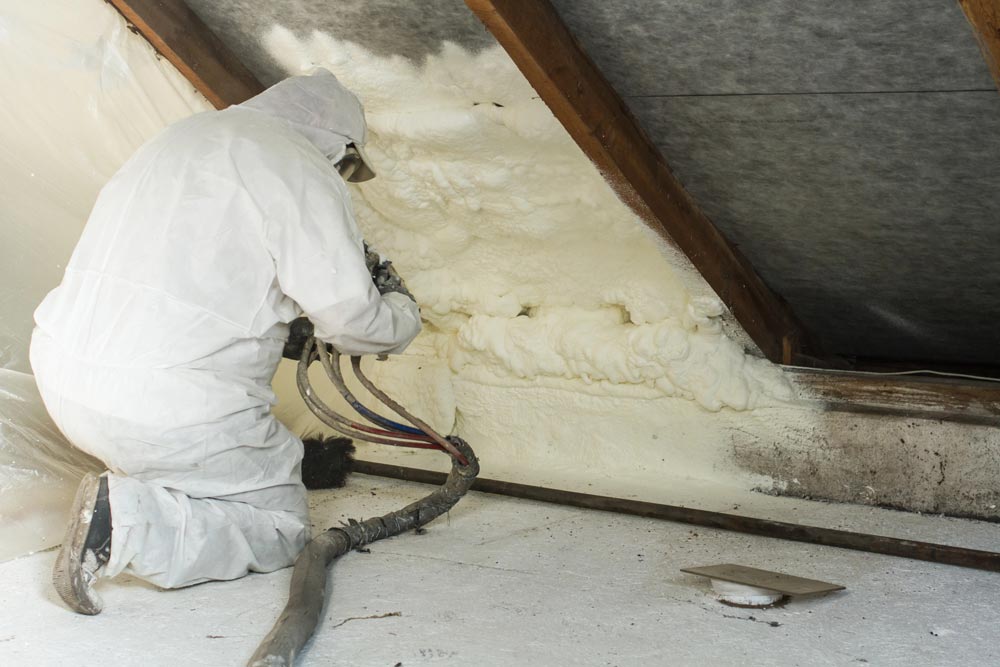
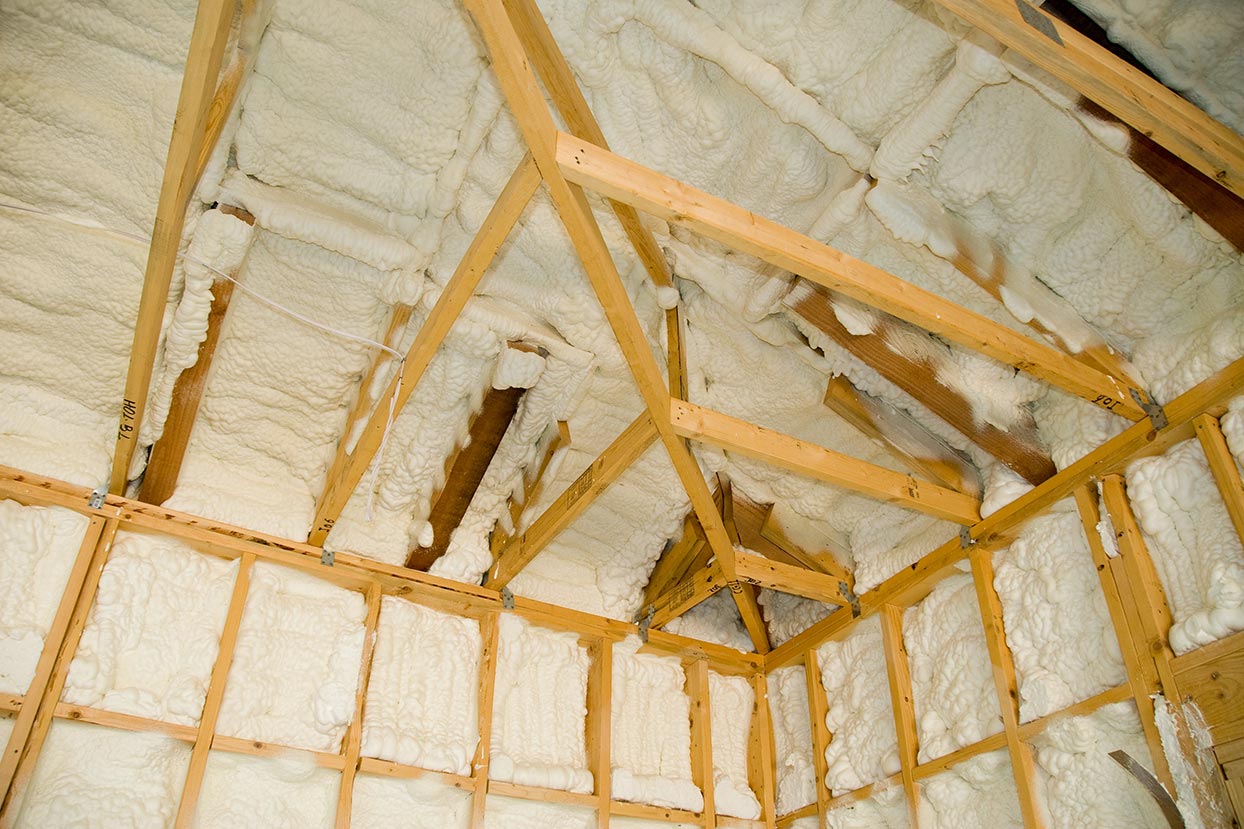
Spray foam insulation, composed of a mixture of isocyanates and polyols, is applied as a liquid that expands into a foam, filling cracks and gaps within structures. It offers remarkable insulating properties, helping to maintain interior temperatures, reduce energy bills, and minimize sound transmission. However, while its advantages may be appealing, it’s crucial to consider the broader impact, particularly regarding mortgage evaluations and long-term property value.
The Mortgage Assessment Perspective
When potential buyers seek a mortgage, lenders conduct thorough assessments to determine the overall condition of the property and to evaluate any potential contamination risks. Roof spaces insulated with spray foam can pose unique challenges during this process. Sometimes, lenders may see spray foam as a red flag—primarily if it was incorrectly installed or if there is a lack of documentation regarding quality assurance.
Homebuyers should be aware that many mortgage brokers and lending institutions consider properties with spray foam insulation as higher-risk. This is due to concerns about moisture retention, potential mold growth, and the product’s durability over time, especially in areas that experience extreme temperatures or humidity. If not installed correctly, spray foam can create a barrier that traps moisture in roof spaces, leading to degradation of roofing materials, structural damage, and severe mold issues, which can result in a costly remediation process.
Documentation and Compliance Requirements
For properties that have undergone spray foam installation, lenders often require extensive documentation showcasing the installation process and adherence to industry best practices. This includes:
Installation Certifications
Ensuring that a qualified professional conducted the installation. Accreditation from reputable organizations indicates that the installers understand the material’s properties and the methods required for a successful application.
Quality Assurance
Documentation demonstrating the product used, its compliance with safety and EPA guidelines, and its expected lifespan can significantly improve mortgage chances, as lenders may be more reassured about the insulation’s condition and performance.
Inspection Reports
A thorough roof space assessment from a qualified inspector can help identify areas of concern, including moisture issues or signs of inadequate ventilation. Having this on hand can alleviate some fears that lenders may have regarding the integrity of the insulation.
Risks Associated with Spray Foam Insulation
It’s imperative to consider the potential downsides of installing spray foam insulation in your roof space.
- Moisture Trapping: Spray foam insulation can lead to inadequate roof ventilation, trapping moisture and ultimately causing mold and structural damage. Ineffective insulation may lead to costly repairs that can affect property value.
- Difficult to Assess: Once installed, spray foam insulation can make it challenging for future inspectors to evaluate the condition of the roof space, leading to potential complications if issues arise.
- Health and Safety Concerns: Furthermore, the chemicals used in spray foam can pose risks if not properly managed. Off-gassing during installation and potential reactions for some individuals can lead to health issues, which can further complicate property assessments.
- Future Renovation Challenges: Should homeowners wish to modify or replace the roof structure in the future,
Contact SR Surveyors Damp and Timber Specialist
Find out more about the services we offer, and the service fees.