



Enhancing Energy Efficiency in Older Buildings: The Role of Retrofit Assessments
In the ongoing pursuit of sustainability and energy efficiency, older and traditional buildings present unique challenges and significant opportunities. As we strive to reduce energy consumption and lower our carbon footprints, it’s essential to consider the complex dynamics involved in retrofitting these cherished structures. Today, we delve into the importance of comprehensive retrofit assessments, particularly concerning energy efficiency, while acknowledging and addressing the associated risks, such as dampness.
Understanding Retrofit Assessments
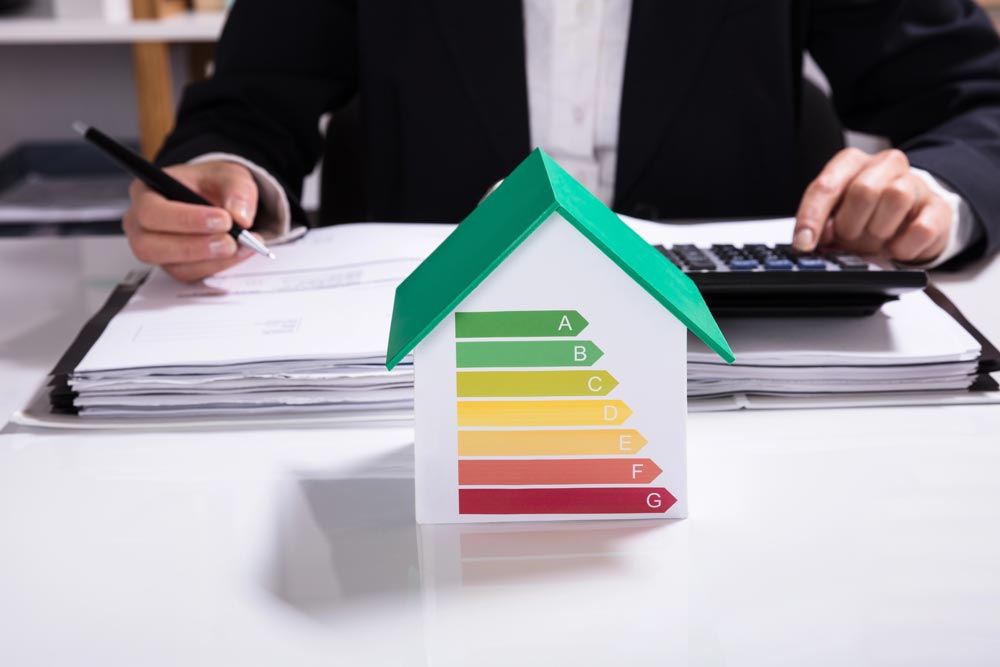
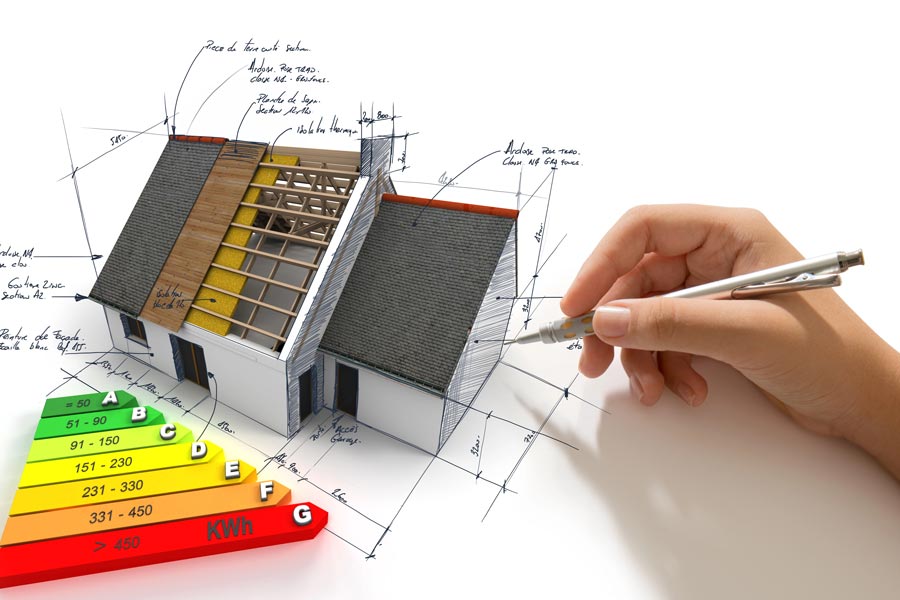
Retrofit assessments are detailed evaluations aimed at improving a building’s energy performance without compromising its structural integrity and historical value. These assessments involve a meticulous analysis of existing building materials, insulation levels, heating systems, and ventilation. For older buildings, especially those with historic significance, the goal is to enhance energy use while preserving architectural features and maintaining aesthetic charm.
A well-conducted retrofit assessment can uncover areas where energy loss is prevalent, such as drafty windows, inadequate insulation, or outdated heating systems. Armed with this information, property owners can implement targeted upgrades to bolster energy efficiency, leading to reduced energy bills and a smaller environmental impact.
The Importance of Moisture Management
However, the task of improving energy efficiency does not come without its risks. One of the most pressing concerns when retrofitting older buildings is the potential for dampness and moisture accumulation. Many traditional structures were designed with natural ventilation systems, allowing moisture to escape freely. By sealing these buildings too tightly in an effort to curb energy loss, we may inadvertently create a favorable environment for dampness and mould growth.
Dampness not only jeopardizes the structural integrity of a building but can also lead to serious health implications for occupants, including respiratory issues and allergies. Moreover, addressing dampness after it has settled can be far more challenging and costly than preventing it in the first place. Therefore, during retrofit assessments, it’s crucial to factor in moisture control technologies and strategies.
Key Considerations for Retrofit Assessments
- Conduct a Thorough Historic Building Survey: Understanding the original materials and construction techniques is essential. This allows for the selection of retrofit strategies that respect the building’s integrity and require minimal intervention.
- Assess Ventilation Needs: Achieving a balance between energy efficiency and required ventilation is paramount. Employing advanced solutions such as mechanical ventilation with heat recovery (MVHR) can significantly improve indoor air quality while reducing energy consumption.
- Use Appropriate Materials: When selecting materials for insulation and retrofitting, aim for those that are breathable. This helps to allow moisture to escape while still providing effective thermal performance.
- Incorporate Damp-Proofing Techniques: Implementing damp-proof membranes and ensuring proper drainage around the building site aids in mitigating moisture ingress, which is particularly important in basements and ground-level floors.
- Monitor and Maintain: Finally, regular monitoring and maintenance are critical post-retrofit. Building owners should keep an eye on humidity levels and the overall physical condition of the property to act quickly should any issues arise.**Seeking Professional Guidance**In conclusion, retrofit assessments play a pivotal role in driving energy efficiency in older and traditional buildings, but they require a careful and knowledgeable approach. Engaging with qualified professionals—such as architects, engineers, and conservation specialists—can greatly enhance the quality of the assessment and implement
Contact SR Surveyors Damp and Timber Specialist
Find out more about the services we offer, and the service fees.