



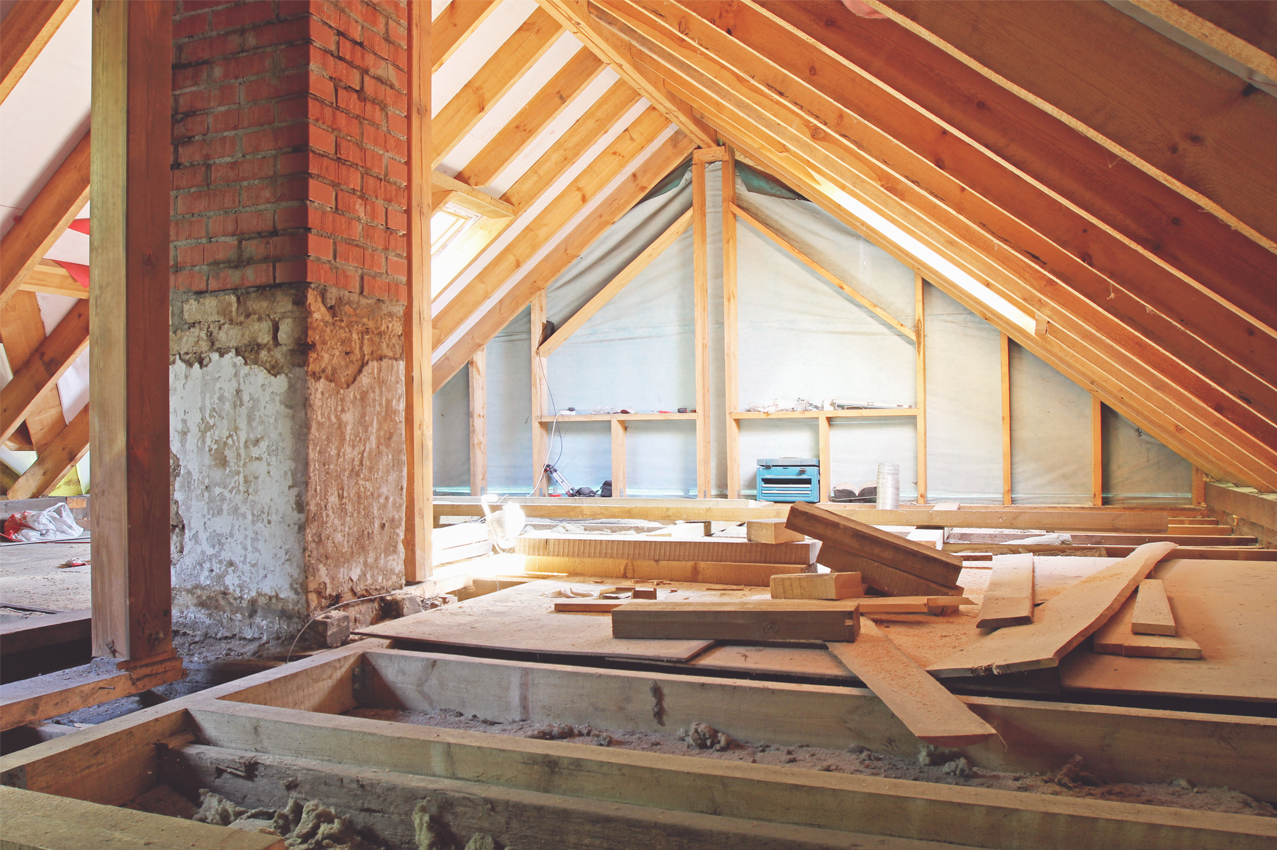

When timber comes into contact with damp conditions, rot and beetle infestation can occur – beetle infestation can occur with only the slightest moisture content. Where timbers form structural elements to your property ie roof timbers, floor joists and timber lintels etc. it is important to act quickly when a defect is found or suspected. Beetle infestation and rot can cause timbers to become weak and not structurally sound, sometimes in a relatively short space of time. The quicker a defect is identified the easier and cheaper the problem will be to cure.
The following types of rot and beetle infestation are the most common, however there are many more which can be identified by a timber surveyor. The characteristics of different types of rot and beetle infestation can be very similar in some cases; however the severity and treatment does differ. All rot and beetle infestation can cause timber to become structurally unsound and should be investigated as soon it becomes apparent.
Dry Rot
Dry rot can cause extensive damage within a property if left untreated. Spores are carried in the air until they are introduced into the correct environment for them to grow. Dry rot is usually found in concealed timbers where the timber is in contact with damp brickwork and where the temperature will be suitable. Dry rot can grow through masonry and plaster in order for it to reach new timber (food source). Dry rot will cause the timber to become weak and brittle, the wood will usually contain deep cracks and can be easily broken. Dry rot forms a white fungus (mycelium) and white strands over the timbers and masonry.
Wet Rot
Wet rot is also found in timbers that are in contact with damp conditions however it doesn’t spread as with dry rot. The appearance of both the timber and the fungus (mycelium) is similar to that of dry rot. Any timber in an area where there has been a leak is likely to be affected by wet rot.
Wood worm – Wood boring weevil – Pentarthrum Huttoni / Euophryum Confine
Weevil is often referred to as woodworm and is usually found in timbers suffering from wet rot as the conditions are ideal due to preferred temperature and moisture content for wet rot and woodworm to thrive. Wood worm creates jagged markings where they create tunnels running along the grain of the timber and break the surface. When heavily infested there will usually be large amounts of bore dust which is fine but feels gritty between fingers. This is commonly mistaken for common furniture beetle.
Wood worm – Common furniture beetle – anobium punctatum
Common furniture beetle attacks most hardwood timbers, like woodworm it prefers damp timber although can be found in areas with less moisture content. Common furniture beetle is usually found in loft timbers and floorboards where there is some damp present. Common furniture beetle creates emergence holes on the surface of timber approximately 1-2mm diameter, the bore dust is a like that of woodworm although appears to be a pellet shape (lemon shaped). The beetle itself is a small hard backed beetle which can fly, these may be found in the property usually visible in damp areas such as bathrooms and window sills.
With any beetle infestation, the main outbreak can be beneath the timber and great care should be taken when walking on infested timbers as they can easily fall through when heavily infested. Beetle infestation will also attack structural timbers.
Services & Fees
Find out more about the services we offer, and the service fees.